
RENAISSANCE NURSERIES Telephone 0333 335 6573
RENAISSANCE NURSERIES Telephone 0333 335 6573
Join us on an apprenticeship in the nursery sector with First Avenue Training, an Outstanding Accredited Training Provider. Our programme offers you a unique opportunity to gain hands-on experience while developing essential skills under the guidance of expert trainers. Whether you aspire to work with children or advance your career in early years education, we are here to support you every step of the way. Your journey starts here, where passion meets professionalism. Embrace the chance to learn, grow, and thrive in a nurturing environment!
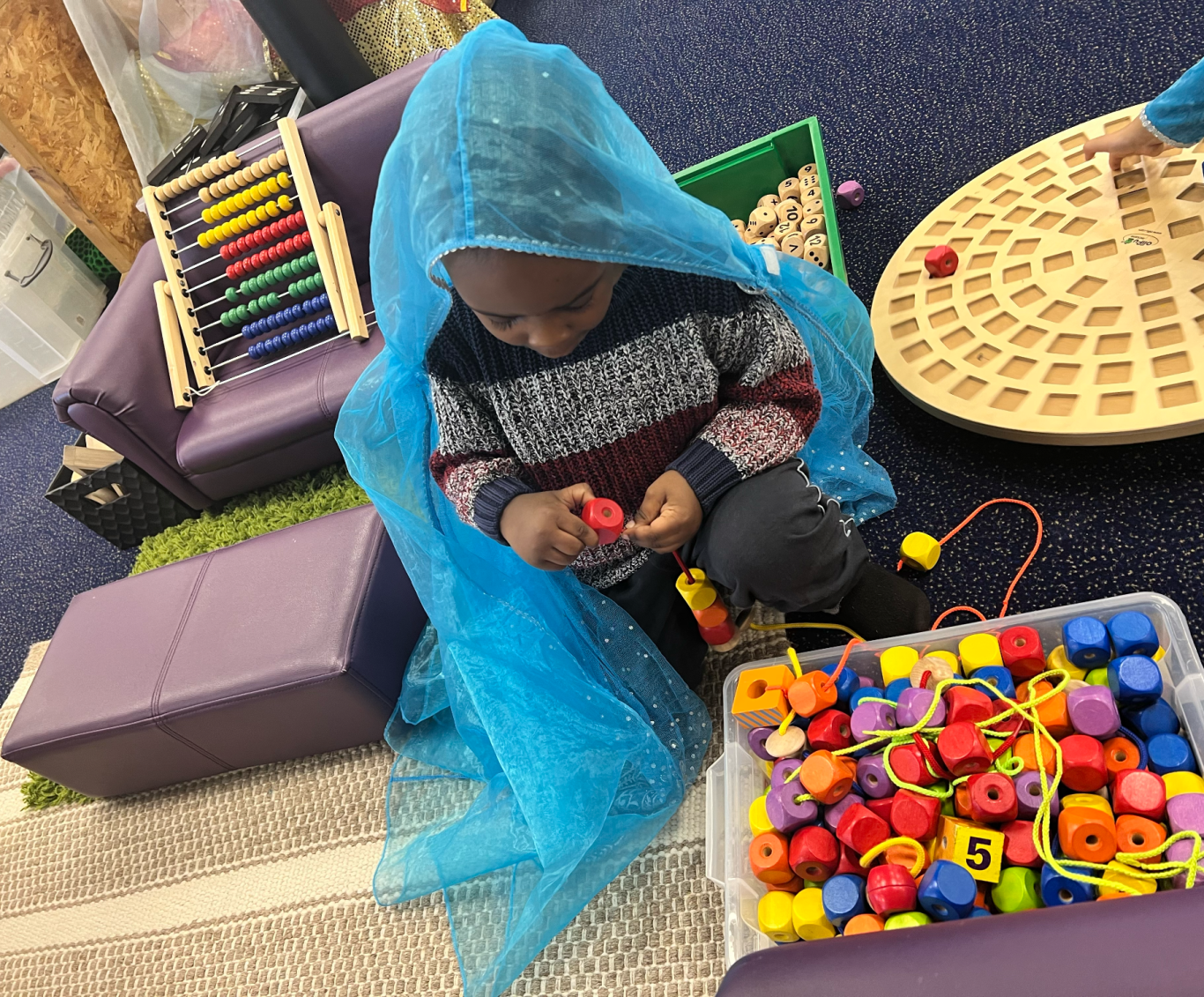
Renaissance Nurseries prioritises children’s safety and wellbeing through strict safer recruitment practices.
All applicants, including volunteers and students, attend an interview and must complete pre-employment checks, including an Enhanced DBS check, Right to Work verification, and satisfactory references. New staff complete pre-employment tasks and a full face to face induction prior to starting. All new staff join us on a six-month probation period. We aim for all staff working with children to hold current Paediatric First Aid training, and those caring for babies receive specific infant-care training. If you do not already hold a valid Paediatric First Aid certificate, you are required to book it as part of your pre-employment and complete your training within two months of starting to ensures a safe, nurturing, and high-quality environment for every child.
At Renaissance Nurseries, we pride ourselves on cultivating a nurturing environment for both children and staff. We are passionate about early childhood education and seek like-minded individuals to join our vibrant community. Discover your potential with us and make a meaningful impact on young lives by embracing various career opportunities.

Our nurseries are not just places for children to learn, but thriving centres of growth and creativity. We offer a range of roles, from teaching to administrative positions, each providing the chance to make a difference in a child’s early learning journey. At Renaissance Nurseries, we believe in investing in our team through continuous professional development and support.
Renaissance Nurseries. Whether you are an experienced educator or just starting your journey in early, we encourage you to explore our listings. Each role offers unique opportunities to engage and inspire the next generation of learners.
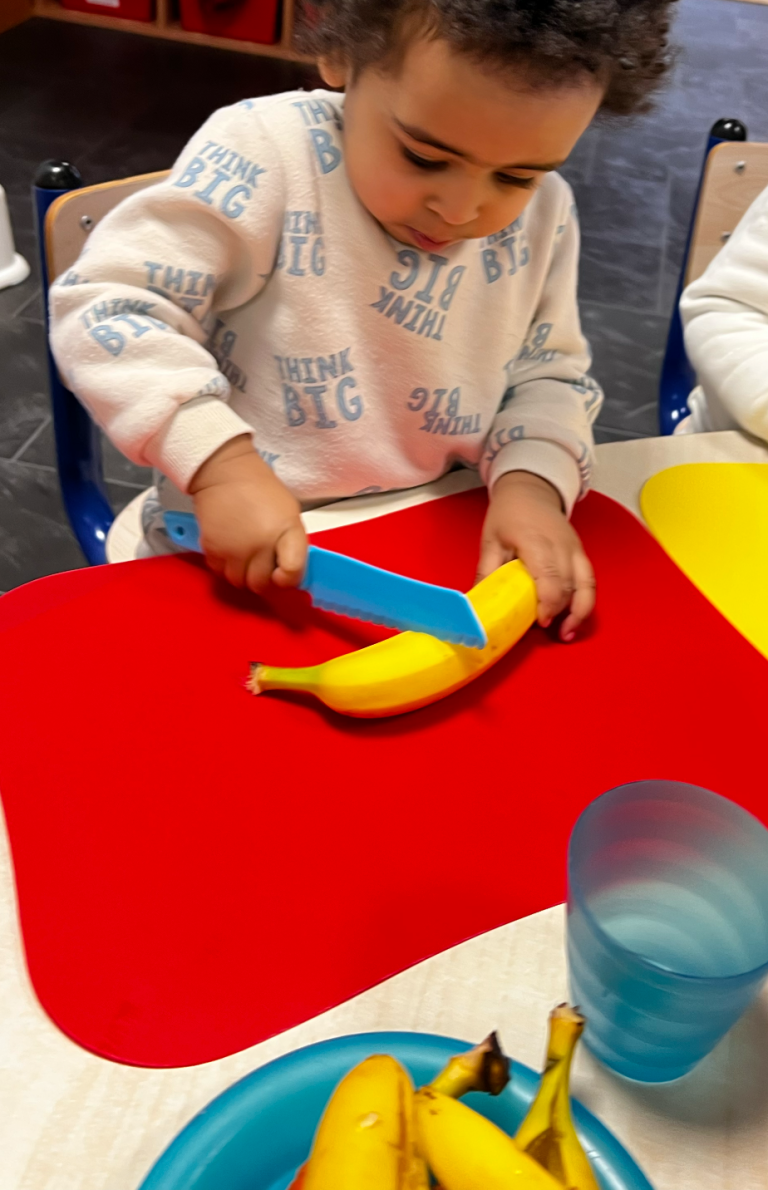
To apply for a position, please complete the four-part application form, ensuring that you provide all necessary documentation and your education and training record. As part of our hiring process, we conduct enhanced DBS checks for all employees to ensure the safety and wellbeing of the children in our care. Once we have reviewed your application forms and if your application is successful, we will invite you for an interview to discuss your qualifications and suitability for the role.
We are proud to offer placement opportunities for students pursuing a course in education, specifically within the nursery setting. Understanding the vital role that hands-on experience plays in childcare and education, we provide a supportive environment where students can apply their knowledge in real-world scenarios. Our placements require a minimum commitment of six months, allowing students to deeply engage with the children, develop essential skills, and contribute positively to their learning journeys.

At Renaissance Nurseries, we ensure that all staff are suitable to work with children. Our robust recruitment, selection and vetting procedures are in place in line with the EYFS statutory framework. This includes verifying identity, right to work and qualification documentation; obtaining an enhanced Disclosure and Barring Service (DBS) check; and securing references from previous employers. We also ensure that staff have the appropriate training, skills and knowledge to safeguard and promote the welfare of children, including completion of full Paediatric First Aid training (12 hours) & safeguarding training.
At Renaissance Nurseries, we believe that our community is the backbone of our success. We are dedicated to creating a welcoming environment where both children and staff can thrive. Our nurseries is not just a place for early childhood education; it's a vibrant community that nurtures learning and development through shared values and collaboration.
Collaboration is at the core of our approach at Renaissance Nurseries. We understand that when our staff work together, sharing ideas and experiences, we create a richer learning environment for the children in our care. Our team continuously engages in professional development, ensuring that we are all equipped to support the healthy development of every child.
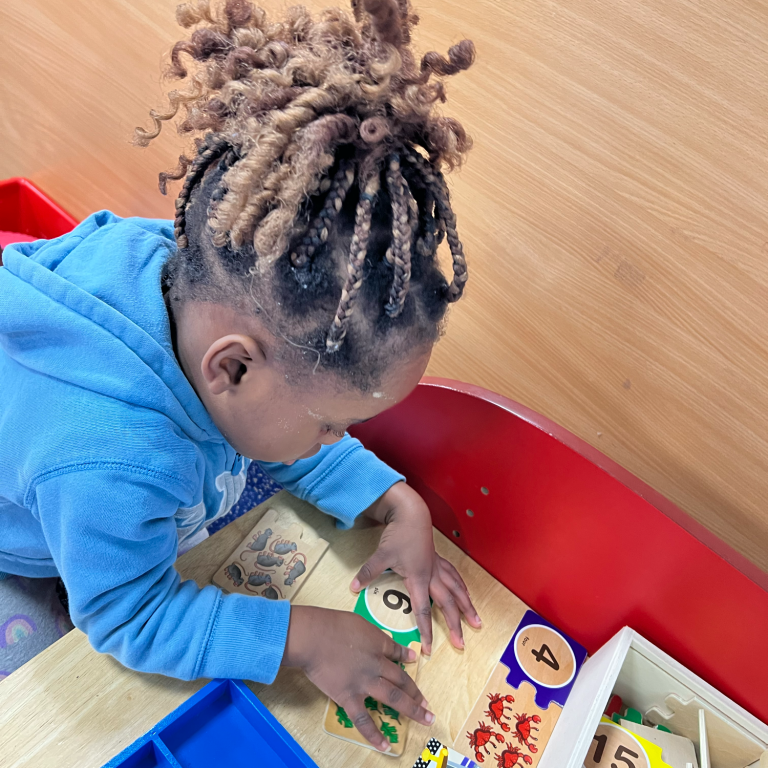
Our nursery not only focuses on academic learning but also prioritises the emotional and social development of our children. Through group activities and interactive play, children learn the value of teamwork, empathy, and communication. This holistic approach fosters well-rounded individuals who are prepared for future challenges.
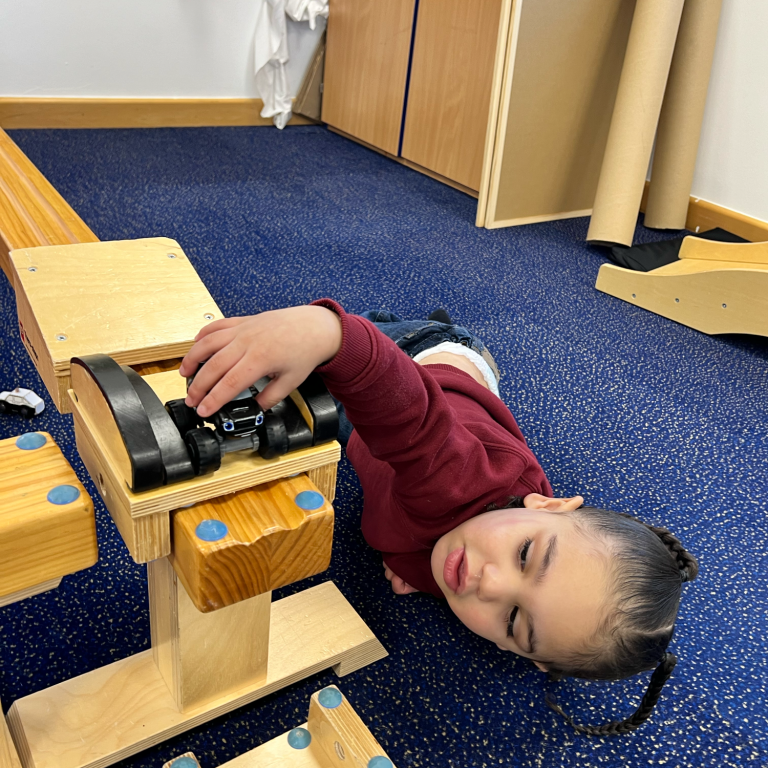
Renaissance Nurseries is proud of the supportive environment we've cultivated. Each staff member is valued for their unique contributions, and together, we create an inclusive atmosphere where everyone can flourish. Our commitment to ongoing support and encouragement ensures that our educators continually grow, enhancing their skills for the benefit of the children.
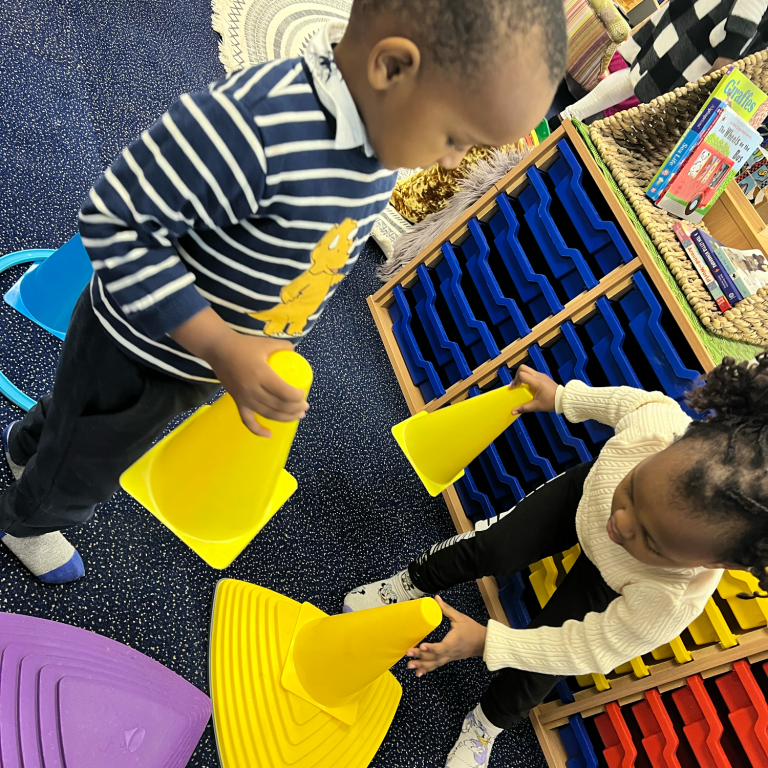
Our core values at Renaissance Nurseries of integrity, respect, and innovation guide us in our daily interactions and educational approaches. We integrate these principles into our programmes, encouraging children to embrace diversity and think creatively. By instilling these values, we lay the foundation for lifelong learning and responsible citizenship.

Physical Abuse can present through a variety of signs and symptoms that staff must be able to recognise and respond to appropriately. Indicators may include unexplained bruises, burns such as bite marks or cigarette burns, fractures, or injuries that do not align with the child’s age, developmental stage, or typical physical activity. Children may also present with frequent or recurring injuries, appear fearful of particular adults or environments, or demonstrate sudden changes in behaviour, including withdrawal, anxiety, hypervigilance, or aggression. Some children may avoid physical contact or appear unusually passive, subdued, or compliant.
In addition to physical abuse, staff must remain vigilant in identifying other serious forms of harm. Breast ironing or breast flattening, involving the pressing or massaging of breast tissue to delay development, may present through chest pain, restricted movement, or unexplained injuries to the breast area. Staff should also be aware of Fabricated or Induced Illness (FII), also known as Munchausen Syndrome by Proxy, in which a parent or carer deliberately fabricates, exaggerates, or induces illness in a child. Possible indicators include frequent medical consultations, discrepancies between reported and observed symptoms, or symptoms that occur only in the presence of the parent or carer. Harmful traditional practices such as Oral Infant Mutilation, which may involve injury to a baby’s mouth or extraction of tooth buds can present with oral injuries, infections, or feeding difficulties. Furthermore, Peer-on-Peer Abuse (Child-on-Child Abuse) may occur in the form of physical harm, bullying (including online bullying), sexual harassment, sexual assault, or coercive and controlling behaviours between children. Signs may include unexplained injuries, fear of particular peers, changes in friendships or social behaviour, or reluctance to attend nursery or going home.

Emotional Abuse can manifest through various signs and symptoms that are crucial for staff to recognise. Signs include sudden changes in behaviour, such as increased anxiety, withdrawal, or unusual compliance. Children may show low self-esteem, become overly eager for adult approval, or struggle to form relationships. Other signs include excessive fear of making mistakes, frequent tearfulness, or regression to earlier developmental stages. These indicators must be recorded and addressed in line with safeguarding procedures.
Child Criminal Exploitation (CCE), including child trafficking and modern slavery involves children being groomed, coerced, or forced into activities such as county lines, theft, drug distribution, or labour exploitation. Indicators include unexplained money or possessions, going missing, or associating with high-risk individuals. Trafficked children may also show signs of neglect, exhaustion, or fear of authority. Serious and Violent Crime may involve dangerous peer groups, carrying weapons, unexplained injuries, or sudden changes in behaviour or friendships. Children may appear fearful of going out, reluctant to discuss activities, or show signs of coercion by older individuals.
Domestic Abuse, experienced directly or witnessed can result in aggression, withdrawal, anxiety, hypervigilance, or fear around certain adults. Staff must also remain alert to gang exploitation, county lines activity, theft or robbery, and fraud or scam involvement, where children may be pressured or manipulated. Some children may also be vulnerable to extremism or radicalisation, and staff must fulfil their responsibilities under the Prevent Duty.

Sexual Abuse involves any sexual activity or behaviour imposed on a child, whether through physical contact, non-contact actions, or exposure to sexual content or behaviour. This includes acts carried out directly or indirectly, as well as situations in which a child is exploited for the sexual gratification of others. Signs of Sexual Abuse can vary considerably. Children may exhibit sudden changes in behaviour, display heightened anxiety, or show regressive behaviours such as bedwetting or clinginess. They may use sexualised language, engage in sexualised play, or demonstrate knowledge or behaviours that are not age-appropriate. Physical indicators may include unexplained injuries, discomfort, or sexually transmitted infections.
Staff must also remain highly vigilant in identifying other significant safeguarding risks. Female Genital Mutilation (FGM) involves the partial or total removal of external female genitalia for non-medical reasons. Possible indicators include difficulty walking or sitting, frequent urinary infections, prolonged or unexplained absences, or disclosures made by the child. FGM is illegal in the UK and is recognised as a severe form of child abuse. Honour-Based Violence (HBV) and Forced Marriage are additional forms of abuse that may place children at significant risk. Indicators can include excessive restrictions at home, fear of family reactions, or signs that a child is being prepared for travel against their will.

Child Neglect refers to the persistent failure to meet a child’s basic physical, emotional, medical, or educational needs, and it is a serious form of harm that can have long-term effects on a child’s health, development, and wellbeing. Neglect can occur in isolation or alongside other forms of abuse, and it may be deliberate or due to an inability to provide appropriate care.
Signs of neglect can present in many ways such as consistent signs of hunger (seeking or hoarding food, or appear malnourished). Poor hygiene, such as body odour, dirty clothing, or untreated skin conditions, may also be evident. Children may wear inappropriate clothing for the weather, such as thin clothing in winter or clothing that is consistently too small or too large. Neglect may also involve a lack of supervision, where children are left alone for extended periods or placed in unsafe situations. A child may appear withdrawn, anxious, fearful, or display unusually adult-like behaviours, suggesting they are taking on responsibilities beyond their age. Medical neglect may be indicated by untreated injuries, repeated infections, missed health appointments, or a lack of essential medical care. Educational neglect can be identified through frequent or unexplained absences, persistent lateness, or a lack of engagement in learning. In severe cases, children experiencing neglect may show delays in speech, development, or social skills, or display challenging behaviours linked to unmet emotional needs.

It is essential to address other types of Abuse that can occur, emphasising the importance of upholding Online Safety, particularly as children are increasingly exposed to technology. Staff must be vigilant about the use of electronic devices, ensuring that children are protected from inappropriate content and cyberbullying while online. Intimate Care practices require sensitivity and adherence to our established guidelines to prevent any form of abuse. Furthermore, a robust whistleblowing policy empowers staff to report any concerns without fear of retaliation, fostering a culture of transparency and safety. Safe Sleeping and Safe Eating practices are also critical elements in protecting children from harm; it is vital that all staff are trained to recognise and respond to potential risks in these areas. Our Social Networking policy clearly outlines the expectations for both staff and parents, to safeguard children’s wellbeing and privacy.

If you have a safeguarding concern about someone working with children, it is crucial to act promptly and follow the appropriate procedures. The Local Authority Designated Officer (LADO) provides guidance for managing such concerns. It is essential to document your concerns and report them to the nursery's management team, DSL or Deputy DSL as soon as possible to ensure the safety and welfare of all children involved. In line with our Safeguarding Policy and Procedure, if a safeguarding concern arises, staff must immediately inform the Designated Safeguarding Lead within the nursery.
The nursery will then follow the procedures as outlined in our policy, ensuring that all allegations are taken seriously and investigated thoroughly. Protecting children is our foremost priority, and we encourage open communication to maintain a safe environment for all.
We need your consent to load the translations
We use a third-party service to translate the website content that may collect data about your activity. Please review the details in the privacy policy and accept the service to view the translations.