
RENAISSANCE NURSERIES Telephone 0333 335 6573
RENAISSANCE NURSERIES Telephone 0333 335 6573
Welcome to the Staff Portal of our Renaissance Nurseries family, created exclusively for our dedicated team. This platform serves as a central hub for essential information, resources, and updates that support staff in delivering the highest standard of care and education. Within the portal, staff can find access to training platforms, CPD opportunities, and recommended courses, as well as important forms, templates, procedures, and guidance to promote consistent and effective practice. Please note that all secure pages and documents are strictly for internal use and must not be shared externally, ensuring a confidential, collaborative, and well-informed working environment.
Our staff handbook is an essential resource that provides clear guidance and expectations to support a safe, nurturing, and effective learning environment for children and staff. It outlines key procedures relating to safeguarding, health and safety, behaviour management, and opportunities for professional development. By familiarising yourself with the handbook, you help ensure alignment with the nursery’s ethos and practices, promoting a consistent and high-quality approach to childcare. Any updates or revisions will be shared through our Team’s App, ensuring all staff remain informed and equipped to deliver the highest standard of care and education.
Our job descriptions clearly outline the key responsibilities and expectations for all staff. They serve as an essential communication tool, defining the roles of educators, nursery assistants, and administrative team members. Each description details core duties such as planning and delivering educational activities, ensuring the safety and wellbeing of children, and creating a nurturing environment that supports learning and development. The documents also specify required qualifications and essential skills, providing a clear framework for performance evaluation and ongoing professional development within the nursery.

The Early Years Foundation Stage (EYFS) is a statutory framework that establishes the standards for the learning, development, and care of children from birth to five years old. It is designed to ensure that every child receives a positive, enriching start to their education, building a strong foundation for future learning and achievement. The framework sets out key areas of development including communication and language, physical development, personal, social and emotional development, and literacy, and provides clear guidance to enable practitioners to support each child’s holistic growth through high-quality, play-based and structured learning experiences.
At Renaissance Nurseries, safeguarding is at the heart of our educational commitment. We understand that a safe and nurturing environment is essential for the wellbeing and development of every child, and we are dedicated to creating a space where children can learn, explore, and grow with confidence. Equally, we recognise that safeguarding is most effective when staff themselves feel supported, valued, and safe. We prioritise staff wellbeing by providing access to guidance, supervision, training, and emotional support, ensuring that every staff is equipped to carry out their safeguarding responsibilities confidently and effectively. We encourage open communication and provide a culture where staff feel comfortable raising concerns, seeking help, or discussing challenges without judgment. We also offer continuous professional development and resources to help staff identify potential risks and respond appropriately. This dual commitment to the safety of children and the wellbeing of staff, strengthens our safeguarding practice and reinforces our dedication to providing the highest standard of care for everyone within our nursery community.
The Staff Calendar provides an overview of key dates and events throughout the year, including training days, termly policy focuses, supervision weeks, staff meetings, peer observations, and other important annual activities. It also highlights upcoming training sessions, mandatory training requirements, Each term is aligned with core policy areas to promote compliance and maintain high standards across the nursery. Updates on team wellbeing and general communications will be shared through our Team’s App to ensure everyone remains informed and connected.
In the Autumn Term, we review our Safeguarding and Child Protection, and Behaviour Management Policies, and complete the Annual Risk Assessment Review to strengthen safety and clarity at the start of the academic year. The Spring Term focuses on the Health and Safety, and the Complaint Policy and Procedures, the EYFS framework and Curriculum Development, and the Annual First Aid Training Refresher for all staff to maintain safe practice and strong curriculum delivery. During the Summer Term, we prioritise Inclusion and SEND, Confidentiality and Data Protection, along with the Annual Safeguarding Training Refresher to support inclusive practice, GDPR compliance, and preparation for transitions.
Staff Training Days will take place on Mon 29, Tue 30, and Wed 31 December, providing dedicated time for professional development and strengthening our practice. Our termly Supervision Meeting is scheduled for week starting 3rd Nov, offering an opportunity for reflection, support, and discussion of ongoing progress.
The Annual Appraisal Meeting is scheduled for 31 December and 2 January, where we will review achievements and set goals for the year ahead, ensuring we continue to deliver the highest quality of care for our children.
Peer-on-peer observations will take place during the week commencing 13 October.
As we approach the festive season, our Staff Christmas Outing will be held on 13th December, giving the team a chance to celebrate together.
Fresh Start & Reset: Warm Drink Week / 1:1 wellbeing check-ins
Appreciation & Team Spirit: Shout-Out Wall / Share a positive observation
Mindful Moments: 5-minute pause cards / Weekly micro-breaks
Growth & Training: Bite-size CPD / Ask staff for preferred training
This term’s Staff Training will centre on the priorities outlined in each staff’s Individual Training Plan (ITP), supporting the development of key skills and best practice. Our termly Supervision Reviews will focus on progress against ITP targets and provide a supportive space for professional reflection.
Our Staff Annual Consultation will be on week starting 16 February, giving everyone the opportunity to share feedback, contribute ideas, and identify areas where further support may be beneficial.
Peer-on-Peer Observations are scheduled for the week commencing 2 February to support reflective practice and continuous professional development.
Finally, our Staff Night Out will take place on Saturday, 28 March, offering the team an opportunity to relax, reconnect, and celebrate their hard work together.
Healthy Body, Healthy Mind: Fruit day & hydration / Review workloads
Outdoors & Sunshine: Walk & Talk
/ One early finish rotation
Celebration & Reflection: Staff gratitude cards / 15-minute reflection
Light & Simple: Summer treats / Simplify rotas
On Mon, 30 June, we completed our fire drill to ensure staff and children remain prepared for emergencies.
Cumulative Record Transfer Days be on 24, 25, 26, 27 and 31 Aug to support smooth transitions for our school leavers. Staff Training Day focused on Safeguarding and Child Protection is scheduled for Fri, 28 Aug, followed by our Annual Staff Group Meeting on Mon, 31 Aug. This meeting, held on the Bank Holiday, will allow us to review progress and set priorities for the new academic year. Supervision Meetings will run during the week commencing 10 Aug, providing time to discuss individual development and support.
Week commencing 15 June: Peer-on-Peer Observations.
Finally, our Staff Summer Outing on 28 August will offer a valuable opportunity to strengthen team spirit ahead of the new term.
New Beginning: Welcome-back breakfast / Clear expectations
Mental Health Awareness: Kindness challenge / Mid-term check-in
Professional Pride: Proud moments board / Recognise outstanding practice
Warmth & Community: Festive treat afternoon / Individual thank-yous
The Leeds Safeguarding Children Partnership (LSCP), formerly the Safeguarding Children Board, brings together all agencies responsible for protecting and promoting the welfare of children (www.leedsscp.org.uk). Ofsted can be contacted at 26–32 Store Street, Manchester, M1 2WD, on 0300 123 1231. Leeds Children’s Social Work Services are available Monday to Friday, 9am–5pm (from 10am on Wednesdays) on 0113 222 4403. For concerns involving staff or professionals, the Local Authority Designated Officer (LADO) Duty and Advice Team can be reached on 0113 376 0336 (Mon–Fri, 8.30am–5pm) or via lado@leeds.gov.uk, with out-of-hours support available from the Emergency Duty Team on 0113 535 0600. In an emergency, contact the Police on 999, or use 101 for non-emergency situations.


At Renaissance Nurseries, we recognise that ongoing professional development is the cornerstone of providing high-quality care and education. Our comprehensive staff Training Plan meticulously outlines the essential training required for our staff, ensuring they remain not only compliant with regulatory standards but also at the forefront of early years education practices. Central to our training framework is the requirement for valid Paediatric First Aid certification, which equips our staff with the vital skills needed to respond effectively in emergency situations. This commitment to continuous learning enables our staff to deliver the safest, most enriching experiences for the children in our care, fostering an environment where both children and staff can thrive.
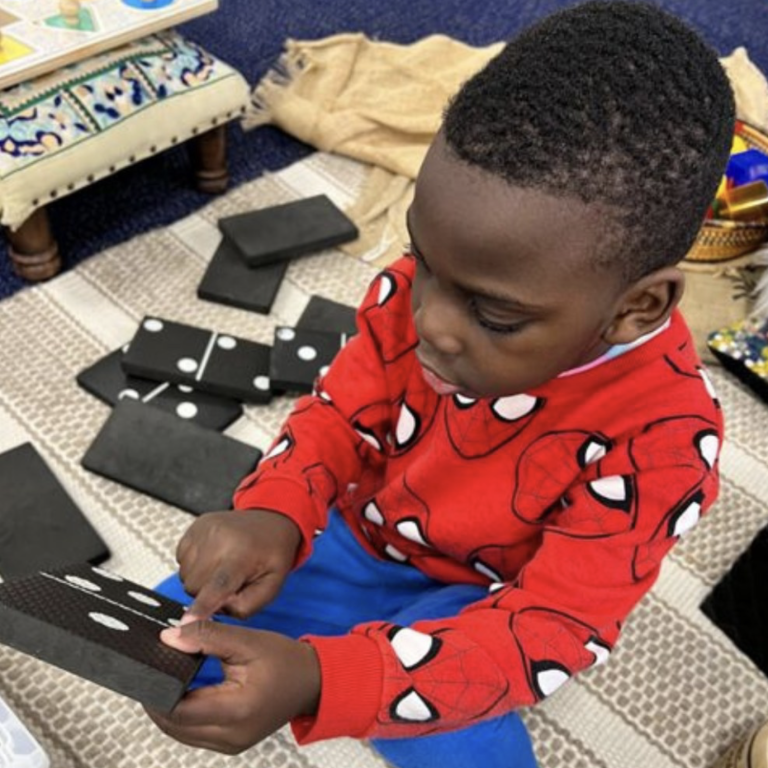
We are committed to fostering a setting that prioritises respect, support, and recognition for every staff.
Every day in our nursery, we see the meaningful difference each staff makes in the lives of our children. Your dedication, warmth, and commitment ensure that children not only learn but truly thrive in a nurturing, supportive environment. You are deeply valued, and your hard work never goes unnoticed. As we guide our little ones to embrace progress rather than perfection, let us also extend that same grace to ourselves, recognising that the small, consistent steps we take together create lasting impact. Fairness sits at the heart of our practice, and we are committed to ensuring every voice is heard and respected. We encourage open communication, fostering a space where staff, children, and families can connect honestly and comfortably. We also recognise that staff wellbeing directly shapes the quality of care our children receive. This is why mental health awareness is embedded into our culture, supporting a workplace where everyone feels safe, valued, and empowered to thrive
It's essential to remember to take a moment for yourself. Breathe deeply, allowing the calm to settle in; stretch your body to release any tension. Hydrate, as staying refreshed is crucial during busy days. If you have the chance, step outside for a breath of fresh air, embracing the beauty of nature. Most importantly, take the time to reset your thoughts, reminding yourself that you matter.

Managing stress can feel challenging, but simple and practical strategies can make a meaningful difference. Begin by focusing on one task at a time. Remember that perfection is not the goal, prioritise steady progress and maintaining a positive atmosphere. Never hesitate to seek support when you need it; asking for help is a sign of strength and share concerns early.

Physical Abuse can present through a variety of signs and symptoms that staff must be able to recognise and respond to appropriately. Indicators may include unexplained bruises, burns such as bite marks or cigarette burns, fractures, or injuries that do not align with the child’s age, developmental stage, or typical physical activity. Children may also present with frequent or recurring injuries, appear fearful of particular adults or environments, or demonstrate sudden changes in behaviour, including withdrawal, anxiety, hypervigilance, or aggression. Some children may avoid physical contact or appear unusually passive, subdued, or compliant.
In addition to physical abuse, staff must remain vigilant in identifying other serious forms of harm. Breast ironing or breast flattening, involving the pressing or massaging of breast tissue to delay development, may present through chest pain, restricted movement, or unexplained injuries to the breast area. Staff should also be aware of Fabricated or Induced Illness (FII), also known as Munchausen Syndrome by Proxy, in which a parent or carer deliberately fabricates, exaggerates, or induces illness in a child. Possible indicators include frequent medical consultations, discrepancies between reported and observed symptoms, or symptoms that occur only in the presence of the parent or carer. Harmful traditional practices such as Oral Infant Mutilation, which may involve injury to a baby’s mouth or extraction of tooth buds can present with oral injuries, infections, or feeding difficulties. Furthermore, Peer-on-Peer Abuse (Child-on-Child Abuse) may occur in the form of physical harm, bullying (including online bullying), sexual harassment, sexual assault, or coercive and controlling behaviours between children. Signs may include unexplained injuries, fear of particular peers, changes in friendships or social behaviour, or reluctance to attend nursery or going home.

Emotional Abuse can manifest through various signs and symptoms that are crucial for staff to recognise. Signs include sudden changes in behaviour, such as increased anxiety, withdrawal, or unusual compliance. Children may show low self-esteem, become overly eager for adult approval, or struggle to form relationships. Other signs include excessive fear of making mistakes, frequent tearfulness, or regression to earlier developmental stages. These indicators must be recorded and addressed in line with safeguarding procedures.
Child Criminal Exploitation (CCE), including child trafficking and modern slavery involves children being groomed, coerced, or forced into activities such as county lines, theft, drug distribution, or labour exploitation. Indicators include unexplained money or possessions, going missing, or associating with high-risk individuals. Trafficked children may also show signs of neglect, exhaustion, or fear of authority. Serious and Violent Crime may involve dangerous peer groups, carrying weapons, unexplained injuries, or sudden changes in behaviour or friendships. Children may appear fearful of going out, reluctant to discuss activities, or show signs of coercion by older individuals.
Domestic Abuse, experienced directly or witnessed can result in aggression, withdrawal, anxiety, hypervigilance, or fear around certain adults. Staff must also remain alert to gang exploitation, county lines activity, theft or robbery, and fraud or scam involvement, where children may be pressured or manipulated. Some children may also be vulnerable to extremism or radicalisation, and staff must fulfil their responsibilities under the Prevent Duty.

Sexual Abuse involves any sexual activity or behaviour imposed on a child, whether through physical contact, non-contact actions, or exposure to sexual content or behaviour. This includes acts carried out directly or indirectly, as well as situations in which a child is exploited for the sexual gratification of others. Signs of Sexual Abuse can vary considerably. Children may exhibit sudden changes in behaviour, display heightened anxiety, or show regressive behaviours such as bedwetting or clinginess. They may use sexualised language, engage in sexualised play, or demonstrate knowledge or behaviours that are not age-appropriate. Physical indicators may include unexplained injuries, discomfort, or sexually transmitted infections.
Staff must also remain highly vigilant in identifying other significant safeguarding risks. Female Genital Mutilation (FGM) involves the partial or total removal of external female genitalia for non-medical reasons. Possible indicators include difficulty walking or sitting, frequent urinary infections, prolonged or unexplained absences, or disclosures made by the child. FGM is illegal in the UK and is recognised as a severe form of child abuse. Honour-Based Violence (HBV) and Forced Marriage are additional forms of abuse that may place children at significant risk. Indicators can include excessive restrictions at home, fear of family reactions, or signs that a child is being prepared for travel against their will.

Child Neglect refers to the persistent failure to meet a child’s basic physical, emotional, medical, or educational needs, and it is a serious form of harm that can have long-term effects on a child’s health, development, and wellbeing. Neglect can occur in isolation or alongside other forms of abuse, and it may be deliberate or due to an inability to provide appropriate care.
Signs of neglect can present in many ways such as consistent signs of hunger (seeking or hoarding food, or appear malnourished). Poor hygiene, such as body odour, dirty clothing, or untreated skin conditions, may also be evident. Children may wear inappropriate clothing for the weather, such as thin clothing in winter or clothing that is consistently too small or too large. Neglect may also involve a lack of supervision, where children are left alone for extended periods or placed in unsafe situations. A child may appear withdrawn, anxious, fearful, or display unusually adult-like behaviours, suggesting they are taking on responsibilities beyond their age. Medical neglect may be indicated by untreated injuries, repeated infections, missed health appointments, or a lack of essential medical care. Educational neglect can be identified through frequent or unexplained absences, persistent lateness, or a lack of engagement in learning. In severe cases, children experiencing neglect may show delays in speech, development, or social skills, or display challenging behaviours linked to unmet emotional needs.

It is essential to address other types of Abuse that can occur, emphasising the importance of upholding Online Safety, particularly as children are increasingly exposed to technology. Staff must be vigilant about the use of electronic devices, ensuring that children are protected from inappropriate content and cyberbullying while online. Intimate Care practices require sensitivity and adherence to our established guidelines to prevent any form of abuse. Furthermore, a robust whistleblowing policy empowers staff to report any concerns without fear of retaliation, fostering a culture of transparency and safety. Safe Sleeping and Safe Eating practices are also critical elements in protecting children from harm; it is vital that all staff are trained to recognise and respond to potential risks in these areas. Our Social Networking policy clearly outlines the expectations for both staff and parents, to safeguard children’s wellbeing and privacy.

If you have a safeguarding concern about someone working with children, it is crucial to act promptly and follow the appropriate procedures. The Local Authority Designated Officer (LADO) provides guidance for managing such concerns. It is essential to document your concerns and report them to the nursery's management team, DSL or Deputy DSL as soon as possible to ensure the safety and welfare of all children involved. In line with our Safeguarding Policy and Procedure, if a safeguarding concern arises, staff must immediately inform the Designated Safeguarding Lead within the nursery.
The nursery will then follow the procedures as outlined in our policy, ensuring that all allegations are taken seriously and investigated thoroughly. Protecting children is our foremost priority, and we encourage open communication to maintain a safe environment for all.
We need your consent to load the translations
We use a third-party service to translate the website content that may collect data about your activity. Please review the details in the privacy policy and accept the service to view the translations.